Research · Aesthetary Original
Audit an existing site
You'll be able to look at a current site one lens at a time, grade what you find by severity, and decide what matters most.
In this skill
Look at everything at once and you'll only see what bothers you.
Run one pass
- Pick one lens
- Do the main task, on a phone
- Note each finding with evidence
- Don't fix anything yet
Every finding gets a lens, a grade and evidence. Then decide.
2 more scenes are in the video and the transcript.
Transcript
Your first reaction to a client's site is a starting point, and nothing more.
Open a client's current site and you'll have an opinion in seconds: dated, cluttered, dark photos. Note it, but it's your taste, and it skips whatever didn't jump out at you. An audit looks at the same site several times, each time through one lens, so the things you'd never notice on your own get their turn.
I use eight lenses, in four pairs. UX and information architecture: can a visitor find what they came for, and do it? Copy and conversion: what does the site say, and what does it ask people to do, honestly or not? Accessibility and performance: can everyone use it, and how long does it make them wait? Technical SEO and legal awareness: can search engines read it, and is there anything that could land the client in trouble? Legal awareness means noticing, never advising: a cookie banner that does nothing, a missing privacy page. You flag it for someone qualified.
Each pass has the same shape. Pick one lens. Then do the thing a visitor comes to do, such as ordering bread for Saturday, on a phone as well as a laptop, since a small screen exposes problems a desktop hides. Note every finding with its evidence: a screenshot, a URL, a measurement. And don't fix anything yet. The moment you start fixing, you stop seeing.
Severity is about consequence. How much something annoys you doesn't count. Four blocks the site's main job: someone who wants to order bread can't. Three costs visitors or trust. Two is friction people work around. One is cosmetic. A dated font is usually a one, however strongly you feel about it. A booking button some people can't read is a four, even if nobody has complained.
Here's part of an audit of the fictional Harbour Lane clinic. Each finding has its lens, what was seen, and a grade. The contrast failure on the booking button is the only four, because it blocks the one thing the site exists to do. The dated footer font, which was the first thing I noticed, is a one. That's the point of grading: it overrules your first impression with consequences.
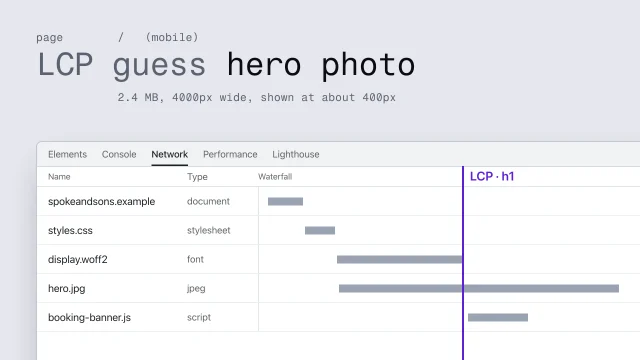
Lenses will disagree, and that's useful. The copy pass says the hero photo of the real team builds trust and should stay. The performance pass says it's four megabytes and leaves the first screen blank on a phone. Don't let the louder lens win. Name the conflict, then look for the move that satisfies both: keep the photo, and make the file a fraction of the size. When no such move exists, the site's main job decides.
An agent is good at the gathering part of some lenses. It can list every image over a size you choose, every page without a title, every heading out of order, and save them to the audit file with URLs. What it can't do is grade them for this business. It doesn't know the site's main job unless you tell it, and it will tend to report everything as important. Grading stays with you.
Then turn the list into a decision. Sort by grade. Group findings that share a cause, because five contrast failures from one color are one fix. Pick the few that matter most for the site's main job, and write why, pointing at the evidence. That short list is what the client reads. The full list stays in the project file. For accessibility and performance, specialists go much deeper than this, and the related skills point to their official resources.
Every finding gets a lens, a grade and evidence. Then decide.
Next 5
Everything in Research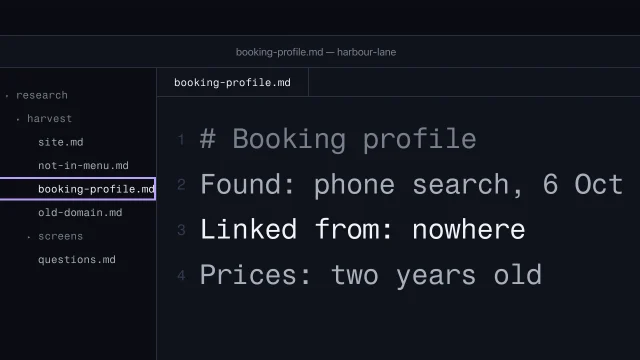 Harvest a client's whole web presence with AICollect everything a business already has online before asking them for anything.4 min video
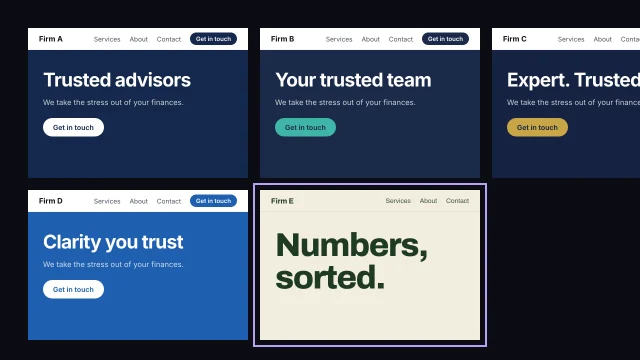 Find your category's defaultSee what every competitor looks and sounds like, so you don't repeat it.3 min video
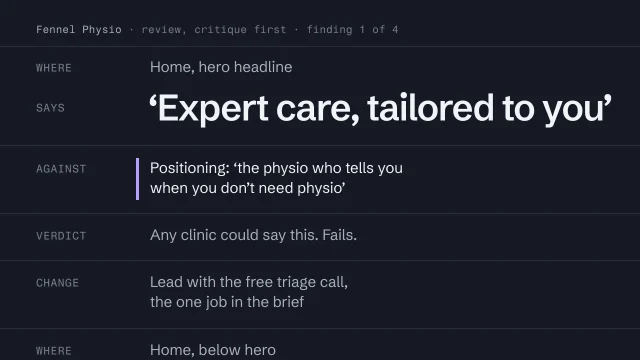 Review the work against its briefJudge a build against what it was meant to do, not whether it looks good.4 min video
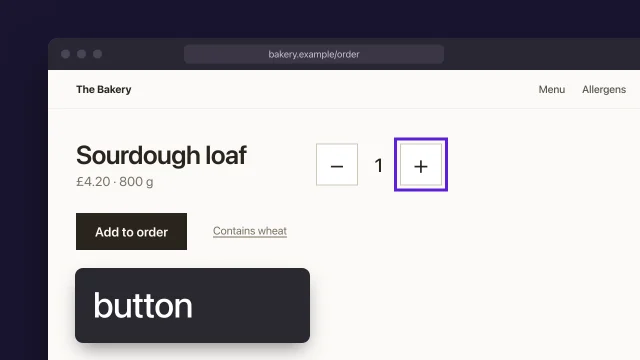 Test a page with keyboard and screen readerFind the accessibility failures only a person can find, with a keyboard, a screen reader and zoom, and record each one as your own check.4 min video
 Predict, measure and fix performanceFind what makes a page slow and fix it at its origin.4 min video