Plan · Aesthetary Original
Name the audiences and what each needs to know
You'll be able to list every kind of visitor, their questions in the order they ask them, and their one next step.
In this skill
Keep their questions in the order they ask.
Write who comes, what they ask in order, and their one next step.
Transcript
This is a speculative redesign I made of the AllWeb conference site. AllWeb didn't commission it, and its ticket button is a demo. A bakery mostly serves regulars. A conference has at least five kinds of visitor, and each one arrives with different questions. So before you decide what the site asks anyone to do, write down who comes and what they need to know.
Start from your research notes, not a blank page. My strategy draft names five audiences: people who might buy a ticket, partners and sponsors, speakers, the media, and people searching past years for a talk. A list like that is still a draft. Check each audience against what research found. If nothing shows them arriving, they don't get a row yet.
Now take one audience at a time and write its questions in its own words. The attendee's list runs twelve lines. It opens with what is this, and is it for me. Price comes near the end, and how do I buy a ticket is last. That order is information. Nobody asks how to buy before they know what the thing is. Keep the order here, because the page structure will follow it later. Under each list, write the one step that audience should take. Attendees get tickets. Partners become a partner. The media send an inquiry.
Then put it in the brief, short enough to read in one look: who they are, their first questions, and their next step. One block per audience. Watch for a step that promises something the business hasn't offered. The draft says it outright: don't promise an open speaker application unless one exists. So the speaker's next step is contact, and the question goes to AllWeb as a confirm marker.
Last, choose who leads the homepage. Partners matter, and they pay. But this site's one job is selling tickets for the sixth of November, so attendees lead, and the brief says why in a line. Here's that decision on the built page. The first screen answers the attendee first: what it is, when, where, and the ticket button. Partners get their own section further down, with their own button.
Write down who comes, what each one asks, in the order they ask it, and the one step you want them to take next.
Next 4
Everything in Plan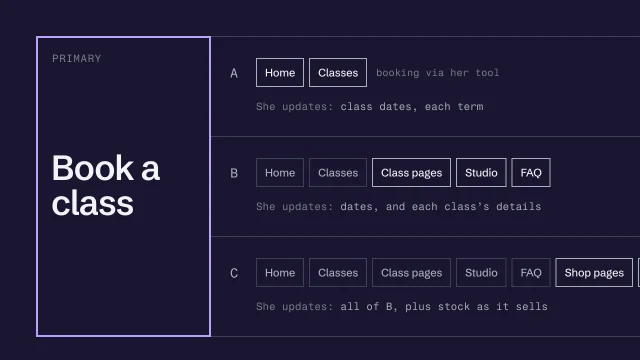 Decide what the site is for, and how much to buildName the site's one action and offer scopes the client can choose between.4 min video
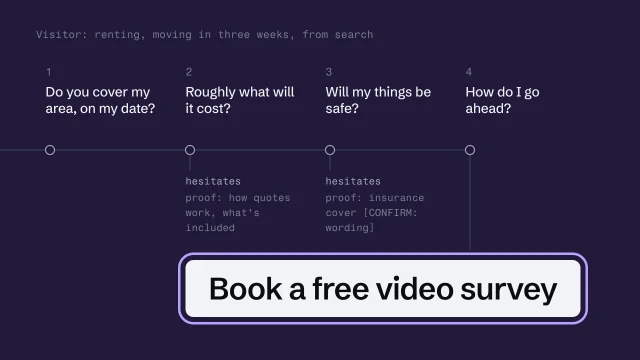 Design the visitor's path to an honest next stepUnderstand what a visitor needs, decide the legitimate next action, and design the path to it without manipulation.4 min video
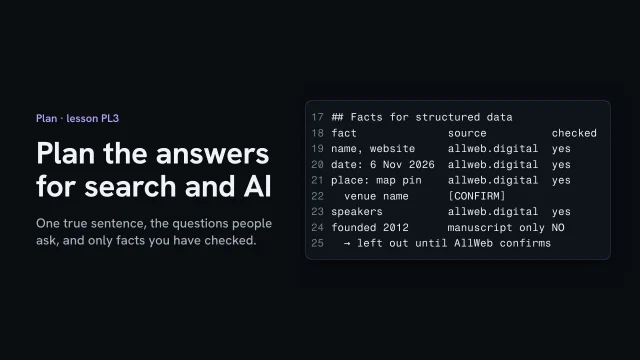 Plan the answers for search and AIPlan one true description, the questions worth answering, and only checked facts for structured data.2 min video
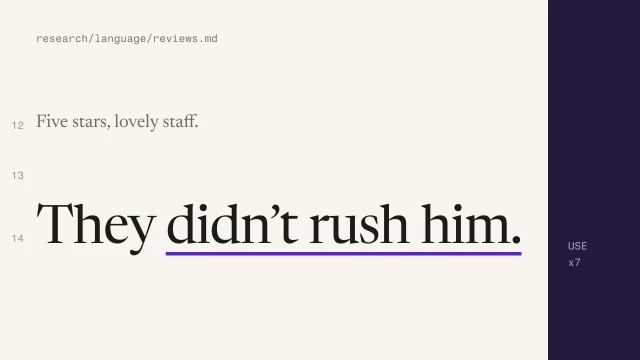 Mine customer language from reviewsFind the words customers actually use, and keep them.3 min video